

Why Couples Therapy Isn’t Just for “Broken” Relationships
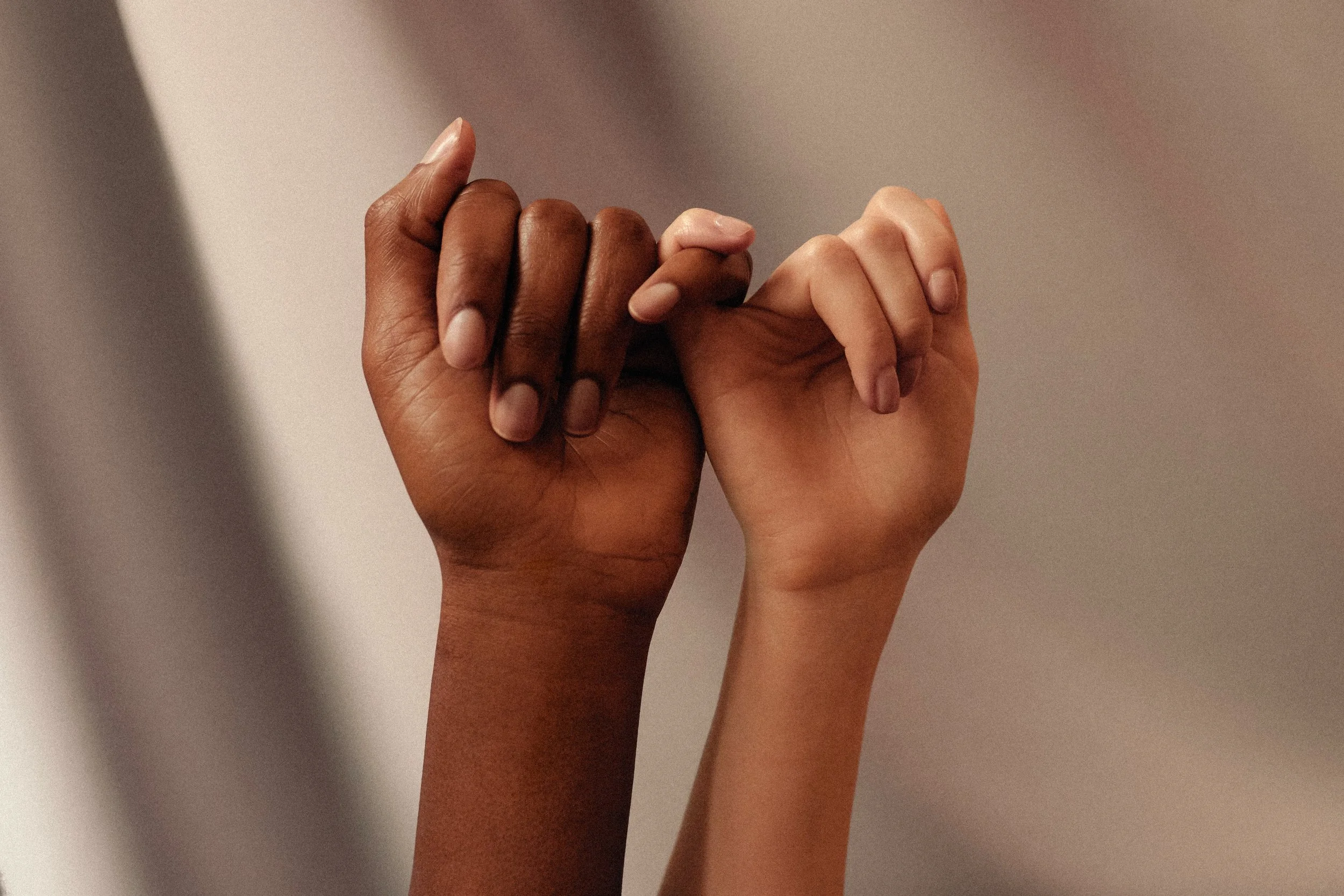
When people hear “couples therapy,” they often imagine a last-ditch effort before a breakup or divorce. But the truth is far more encouraging: couples therapy isn’t just for relationships in crisis, it’s for any couple who wants to grow, reconnect, and strengthen their bond.
Think of it as a tune-up for your relationship, not a repair shop. Whether you’re facing communication struggles, trust issues, or just feel emotionally disconnected, therapy offers a space to understand each other more deeply and move forward, together.
1. Improved Communication
Many couples don’t struggle because they don’t love each other, they struggle because they don’t know how to talk to each other effectively. A therapist can:
Help both partners express themselves clearly and calmly
Teach active listening skills
Identify communication patterns that lead to conflict or withdrawal
Learning to truly hear and be heard can transform the way partners relate to each other.
2. Conflict Resolution That Actually Works
Fighting isn’t always a sign of trouble. It’s how you fight that matters. Couples therapy helps you:
Resolve arguments in healthy, respectful ways
Avoid the “blame game”
Understand what’s really underneath recurring conflicts (hint: it’s often deeper than dirty dishes or schedules)
A trained therapist helps de-escalate conflict and teaches tools for repair, so fights don’t damage the foundation of your relationship.
3. Clarifying Needs, Boundaries & Expectations
We all come into relationships with our own ideas of love, loyalty, space, and intimacy. Therapy helps couples:
Define and communicate their emotional needs
Set and honor healthy boundaries
Align expectations around finances, parenting, sex, and future goals
Understanding these differences and navigating them together builds a more intentional, supportive partnership.
4. Rebuilding Trust After a Breach
Whether due to infidelity, secrecy, or emotional withdrawal, broken trust doesn’t have to mean the end. Couples therapy offers:
A structured process for repair and accountability
A safe space to express hurt, anger, or fear
Guidance on how to rebuild connection and trust over time
With commitment and professional support, many couples emerge even stronger after a betrayal.
5. Personal Growth Within the Relationship
Therapy isn’t just about the relationship, it’s about you too. As individuals, partners often:
Discover patterns rooted in childhood or past relationships
Learn to regulate their own emotions
Become more self-aware and compassionate
When one or both partners grow, the relationship grows with them.
6. Strengthening Emotional & Physical Intimacy
Couples therapy can rekindle emotional closeness and intimacy by:
Helping partners understand each other’s love languages
Resolving resentment or distance that may block connection
Encouraging vulnerability and deeper emotional sharing
For many, this renewed emotional connection also enhances physical intimacy and a stronger bond.
7. Support During Major Life Transitions
Life changes can shake even the strongest couples. Whether it’s a new baby, job loss, aging parents, or empty nesting, therapy helps couples:
Navigate transitions together
Process grief, stress, or identity changes
Stay connected even when life feels overwhelming
8. Prevention is Better Than Repair
Even if things are “okay,” couples therapy can help prevent bigger issues down the road. Think of it as a form of relationship maintenance, where you:
Stay emotionally attuned to each other
Address minor concerns before they become major problems
Keep the relationship strong, vibrant, and evolving
Final Thoughts: You Don’t Have to Be in Crisis to Benefit
Couples therapy is not a sign of failure, it’s a sign of care and commitment.
Choosing to invest in your relationship shows strength, self-awareness, and a willingness to grow. Whether you’re struggling, coasting, or thriving, therapy can help you:
Communicate better
Connect deeper
Love stronger
No relationship is perfect. But with the right support, it can be more resilient, loving, and fulfilling than ever before.