


Blog

Premarital Counseling: Building a Strong Foundation for Marriage
Preparing for marriage is an exciting time. Couples may be thinking about the wedding, planning a home together, or imagining what their life will look like as partners. While there is often a great deal of attention given to preparing for the wedding day, preparing for the marriage itself is just as important.

The Hidden Cost of Avoiding Conflict
Many couples believe that avoiding conflict is a sign of a healthy relationship. If there are no arguments, no raised voices, and no obvious tension, things must be going well, right?

Relationship Advice from Social Media: Helpful or Harmful?
A few swipes on your phone can expose you to hundreds of relationship tips, dating rules, psychological insights, and expert opinions.

Marriage Myths That Create Unrealistic Expectations
Many couples enter marriage with unrealistic expectations shaped by movies, social media, and cultural beliefs.

Supporting Your Partner After the Loss of a Parent
Losing a parent is one of the most profound and disorienting experiences a person can go through. When your partner is grieving, you may feel unsure of what to say or do. You might worry about saying the wrong thing, or feel helpless watching someone you love in pain. While you can’t take away their grief, your presence and support can make a meaningful difference.

The Honor and Privilege of Being a Couples Therapist
There are few professions that invite you into the most vulnerable corners of people’s lives. Being a couples therapist is one of them.

Sexless Marriages: Causes, Shame, and Solutions
Few topics create as much quiet pain in a relationship as a sexless marriage.

Financial Stress and Relationships: How Money Fights Start and How to Stop Them
Money is one of the most common sources of conflict in relationships. Not because couples are “bad with finances,” but because money represents far more than dollars and cents. It represents security, power, freedom, identity, and even love.

Understanding Love Languages: A Therapist’s Guide to Deeper Connection
As a couples therapist, one of the most common moments of realization I witness in sessions is when partners finally understand that they’ve been speaking different “love languages.” It’s not that love has been absent—it’s that the way it’s being expressed hasn’t been landing in a way the other person can truly feel.

How Parenthood Changes Your Relationship and How to Stay Connected
Bringing a child into the world is one of life’s biggest joys—and one of the biggest relationship challenges. Suddenly, the two of you become three (or more!), and everything shifts: your routines, your priorities, even how you connect with each other.

How Attachment Styles Show Up in Your Relationship
Ever feel like you and your partner just miss each other—even when you're trying to connect? Or maybe you notice you pull away when things get too emotional, while your partner seems to need more and more reassurance?

When One Partner Wants Therapy and the Other Doesn’t, What Then?
In many relationships, one person reaches a point where they feel change is necessary—often through couples therapy—while the other isn’t ready, doesn’t see the need, or fears the process. This mismatch can be frustrating, isolating, and sometimes scary.
But it’s also incredibly common.

How to Fight Fair: Therapist Approved Rules for Healthy Conflict
All couples disagree. Even the strongest relationships experience conflict, tension, and emotional friction. But partners who thrive long-term don’t avoid conflict—they engage with it constructively. “Fighting fair” means protecting the relationship while working through the issue at hand.
Active Listening Techniques That Actually Work in Relationships
How to Actually Hear — and Be Heard — by the Person You Love

Is Couples Therapy Worth It? What the Research Says
If you’re reading this, chances are you and your partner have hit a rough patch—or you’re trying to be proactive about keeping your relationship strong. Either way, you’re likely wondering: Is couples therapy actually worth it? Does it work, or is it just another thing that sounds good on paper?

How to Nurture Emotional Intimacy in Your Relationship
Six intentional ways to deepen emotional closeness with your partner

The Real Reason You Keep Arguing About the Same Thing
Spoiler alert: it’s not really about the dishwasher, bedtime routines, or whose turn it is to call the in-laws.

How to Fight Fair: 7 Essential Rules for Couples
Let’s be honest—all couples fight. Conflict isn’t a sign of failure; it’s a sign that you’re two unique people navigating life together. But how you fight makes all the difference. Fighting “fair” doesn’t mean avoiding disagreements or pretending everything is okay. It means communicating with respect, clarity, and care—even when emotions run high. If arguments in your relationship often leave you feeling hurt, shut down, or misunderstood, it might be time to look at how you’re fighting.
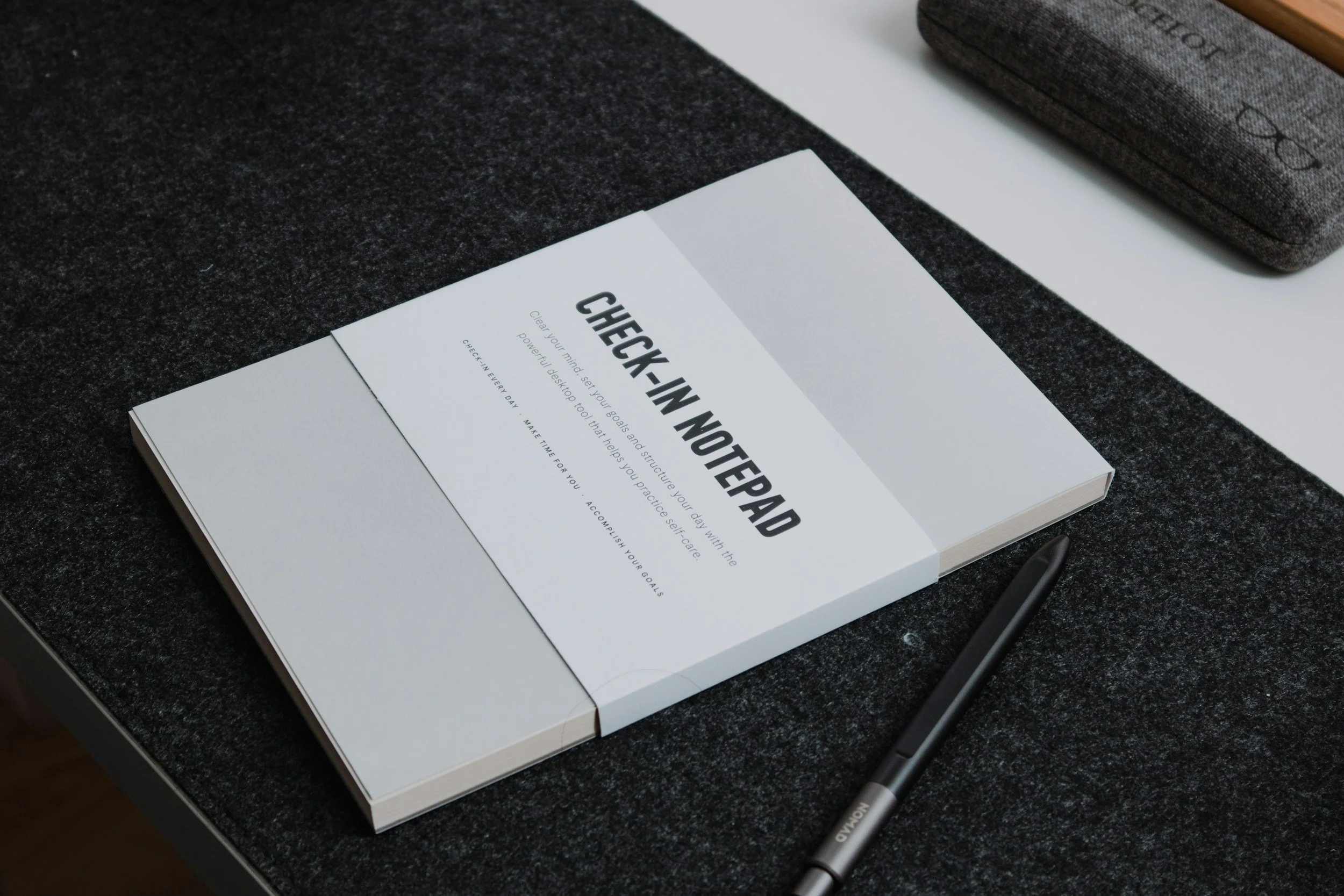
The Power of Weekly Check-Ins: A Simple Practice That Can Transform Your Relationship
In the busyness of everyday life, it’s surprisingly easy to miss each other—even when you live under the same roof. You pass like ships in the night, managing work, errands, kids, texts, meals, bills. Conversations become functional: “Did you pay that bill?”, “What time is the pickup?”, “Can you grab milk” Before you know it, connection starts to fade, not from lack of love—but from lack of intention.

Why Making Time for Connection Is the Lifeline of Your Relationship
In the early stages of a relationship, connection seems effortless. Long talks, spontaneous dates, and lingering glances happen naturally. But as life settles in—careers, children, routines, responsibilities—it’s easy for connection to slip quietly into the background.